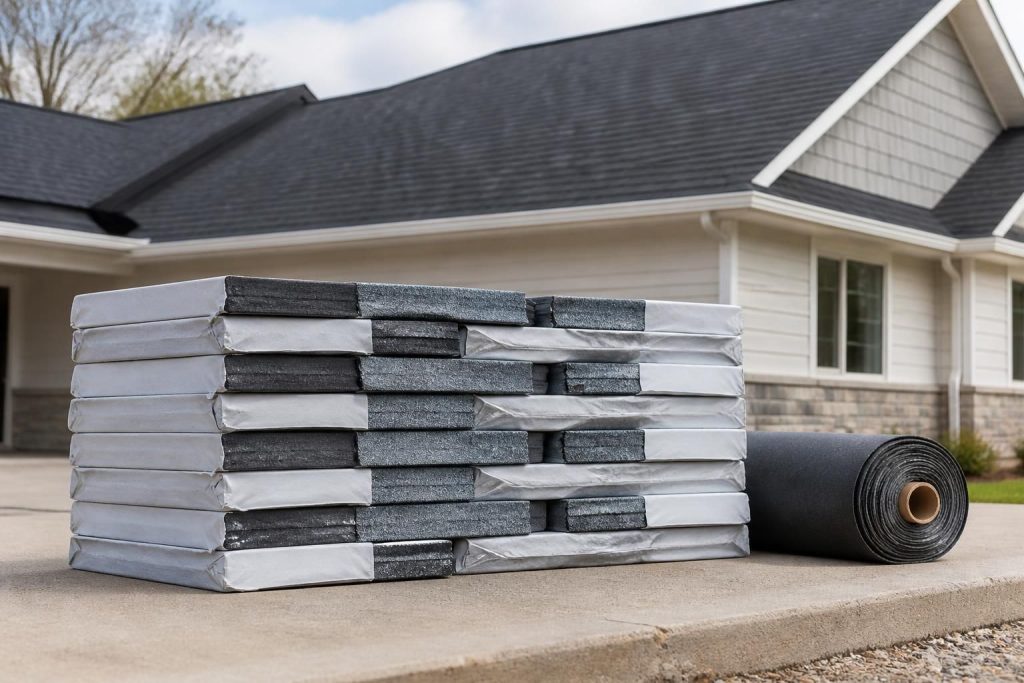
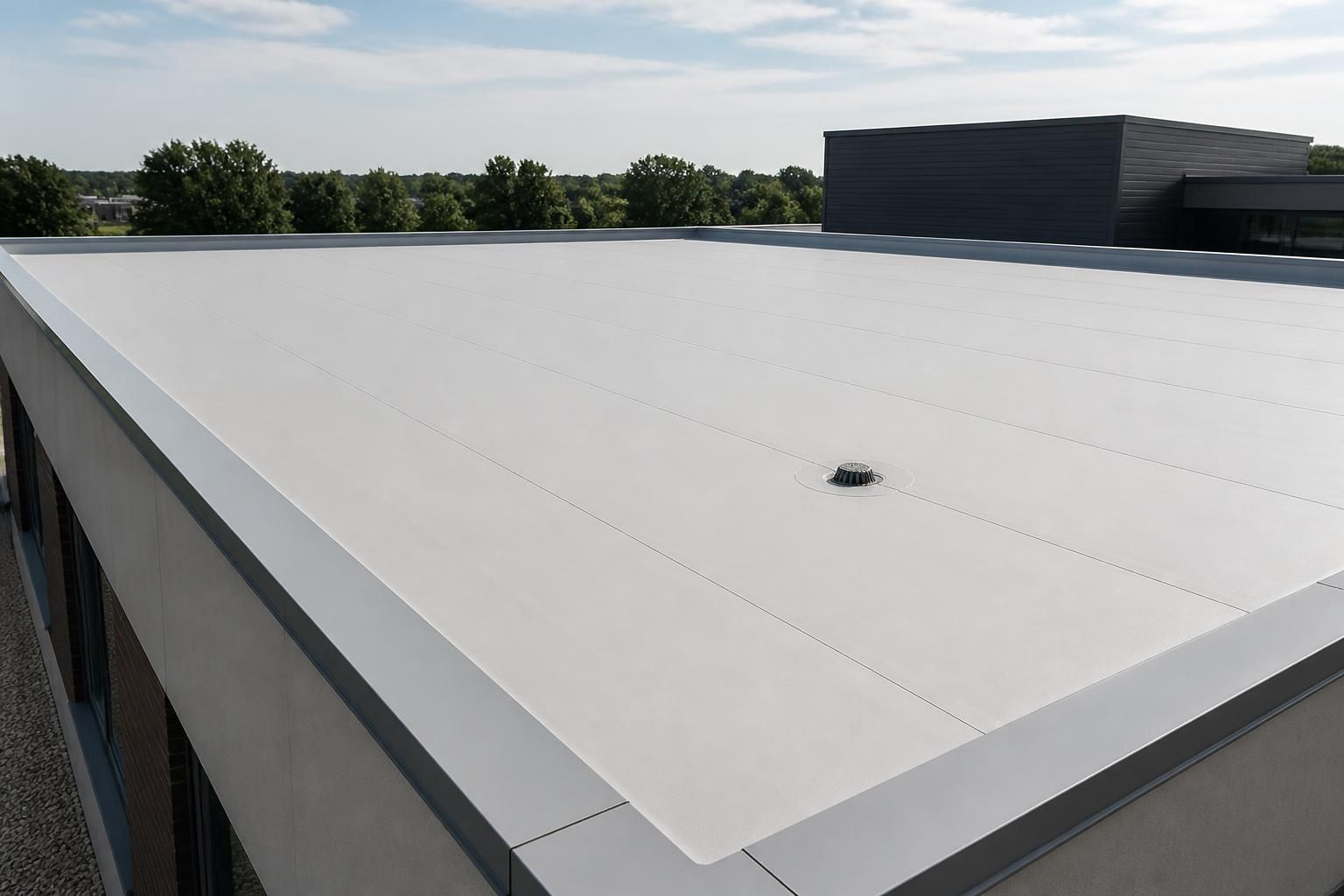
Hargrove Roofing handles flat roofing in San Antonio, Texas, including new flat and low-slope roof installation, flat roof repair, and full replacement. It is for homeowners with a flat section over an addition, garage, porch, or main roof that is leaking, ponding, or wearing out. Call or send a request and we will set up a time to look at the roof and talk through your options.
Most people reach out after a brown stain spreads across a ceiling following a storm, or after noticing that water sits on the roof long after the rain has stopped. Maybe the surface is blistered and cracked from summer sun, a seam is peeling back, or the room under the roof runs hotter than the rest of the house. Flat roofs give you very little margin, because water has nowhere to run off fast, so small defects turn into interior damage sooner than they do on a steep roof.
Flat Roof Warning Signs
A flat roof usually tells you something is wrong well before water drips into the house. If you can safely see the roof, or you spot trouble from inside, watch for these:
- Ceiling stains or bubbling paint, especially after heavy rain
- Standing water that is still there a day or two after a storm
- Bubbles, blisters, or soft spots in the roof surface
- Cracked, split, or lifting seams along edges, vents, and wall joints
- Worn patches where the surface has gone brittle or the top layer is flaking away
- Debris, loose flashing, or clogged drains and scuppers at the low points
Any one of these is a reason to have the roof looked at. Several at once usually point to a surface that is near the end of its life.
What Flat Roofing Covers
This page covers the flat and low-slope roofing work we do for homes across San Antonio and nearby communities. The job usually falls into one of two paths.
New flat roof installation
This applies to a new addition, a converted porch or garage, or a flat section where the old roof is being removed and rebuilt. The work typically includes inspecting the deck underneath, setting the right slope or drainage path, installing insulation where needed, applying the roof membrane, and finishing the edges, seams, and penetrations.
Flat roof repair and replacement
Repair targets a specific failure, such as a split seam, a failed patch, or a bad seal around a vent. Replacement means removing the worn roofing and installing a new system. Sometimes the old layers can be torn off down to the deck, and sometimes a new layer can go over the old one, depending on what the deck and existing roof look like.
Repair or Replace?
Homeowners often wonder whether a patch is enough. A short comparison helps:
- Repair makes sense when the damage is limited to one area, the rest of the surface is still flexible and well bonded, and the deck underneath is dry and solid.
- Replacement makes sense when leaks keep showing up in new spots, the surface is cracked across large areas, insulation is wet, or earlier patches have piled up.
- A closer look is needed when you are not sure. Wet insulation or a soft deck can hide under a surface that looks fine, so ask for an inspection before deciding.
This page focuses on flat and low-slope systems. If your main roof is a pitched shingle or metal roof, that is a separate page, and you can ask us about it when you call.
San Antonio Sun and Storms
Flat roofing in South Texas takes a beating from two directions. Long, hot summers bake the surface, and heat and UV exposure typically make roofing materials dry out, shrink, and crack at the seams over time. Then a hard, fast downpour or hail event can hit a roof that has already been weakened.
Because rain here often arrives in short, heavy bursts, drainage matters more than most people expect. A roof that sheds water slowly or has low spots will pond, and standing water speeds up wear and finds every weak seam. Light-colored or reflective surfaces are commonly considered for heat reduction in this climate, so it is worth asking about that when you compare options.
How the Job Goes
Every roof is different, but a flat roofing project generally follows this order:
- Inspection. Look over the surface, seams, flashing, drains, and any signs of water inside the home.
- Scope and quote. Decide whether the job is a repair, a recoat-style fix, or a tear-off and replacement, and put it in writing.
- Prep. Clear debris, remove failed material, and check the deck and insulation underneath. Any soft or wet areas get addressed before new roofing goes on.
- Installation. Put down the new roofing system and detail the edges, corners, drains, and anything that pokes through the roof.
- Final check and cleanup. Walk the roof, confirm the drainage path, and clear away old material.
Weather plays a role, since most roofing materials need dry conditions to go down well.
Doing It Right
You do not need to be a roofer to judge flat roofing work. Use these standards with any provider:
- Drainage comes first. The finished roof should move water toward drains or edges, with no new low spots where it can sit.
- Details get the most attention. Most flat roof leaks start at seams, corners, edges, and penetrations, not in the middle of the surface.
- Wet material does not get covered. Damp insulation or a soft deck should be dealt with before new roofing is installed.
- Work happens in dry weather. Roofing laid down in rain or heavy moisture is a red flag.
- The site is left clean. You should not find nails, scraps, or old membrane around the property afterward.
What Affects the Cost
Flat roof pricing depends on the specifics of your roof, which is why a number over the phone is rarely reliable. The main factors are:
- Size of the roof and how many separate flat sections there are
- Whether the work is a repair, a partial fix, or a full replacement
- The roofing material or system chosen
- Whether old roofing must be torn off or can stay
- Condition of the deck and insulation, including any wet or damaged areas
- Drainage changes, such as new drains, tapered insulation, or gutter work
- Access, height, and the number of vents, skylights, or other roof penetrations
A clear written quote should spell out the scope of work, the material being used, what is and is not included, how hidden damage found during the job will be handled, and how changes to the plan get approved and priced. If a quote is a single line with a total, ask for more detail.
Questions Before You Hire
Whoever you talk to about a flat roof in the San Antonio area, ask:
- What does the quote include? Ask about tear-off, deck repairs, insulation, flashing, drains, and cleanup.
- Which roofing system are you recommending, and why? The answer should relate to your roof, not just a standard pitch.
- Do you hold the licenses, permits, and insurance that apply to this work? Ask for proof rather than taking it on faith.
- How will you handle damage found once the old roof is open? You want to know the process before it happens.
- When can the work start, and what happens if weather interrupts it? Get a realistic plan for scheduling and communication.
Common Questions
How long does a flat roof last in San Antonio?
It depends on the material, the installation, drainage, and how much sun and storm exposure the roof takes. Strong summer heat tends to wear flat surfaces faster than people expect, so regular looks at seams and drains help you catch trouble early.
Can a flat roof be repaired, or does it need replacing?
Localized damage on an otherwise sound roof can often be repaired. If leaks keep returning, the surface is cracked widely, or the insulation is wet, replacement is usually the more sensible route. An inspection is the way to tell.
How long does a flat roofing job take?
Small repairs can be quick, while full replacements take longer. Roof size, the number of sections, deck condition, and weather all affect the schedule, so ask for an estimate after the roof has been looked at.
How often should a flat roof be checked?
A good habit is to check it after major storms and before the heaviest rain season. Look at drains, seams, flashing, and any spots where water lingers, and call if something looks off.
How is a flat roofing quote worked out?
It is based on roof size, the type of work, the material, tear-off needs, deck and insulation condition, drainage details, and access. Your quote should list these items so you can see what you are paying for.
Does weather affect when the work can happen?
Yes. Most flat roofing materials need dry conditions to go on and set well, so rain or heavy moisture can push a job back. Ask how any delays will be communicated so you are not left guessing.
Request a Roof Look
If your flat roof is ponding, leaking, or showing its age, call or send a request to Hargrove Roofing. We will look at the roof, explain what we see, and talk through whether repair or replacement fits your home in San Antonio, Texas.