Hargrove Roofing handles full roof replacement in San Antonio, Texas, including tear-off of the old roofing, decking checks, and installation of a new shingle, metal, or flat roof. It is for homeowners whose roof is worn out, repeatedly leaking, or too damaged to patch. To get started, call or send a request and we will set up a roof inspection so the scope of the job is based on what is actually up there.
Maybe you have shingles curling at the edges, granules piling up in the gutters, or a brown stain spreading across a bedroom ceiling after a hard rain. Maybe you have already paid for a repair or two and the leaks keep coming back. Those are the moments when homeowners start asking whether it is time to stop patching and replace the whole roof. This page walks through how that decision gets made, what the work involves, and what to line up before anyone starts pulling shingles.
Signs it's time
San Antonio roofs take a beating. Long, hot summers bake roofing materials, spring storms can bring hail and high wind, and the sun exposure on a typical Texas roof is hard on anything with an asphalt surface. Most roofs show their age in a few recognizable ways:
- Curling, cracking, or bald shingles where the protective surface has worn away
- Heavy granule loss, often seen as grit in gutters or at downspout outlets
- Leaks in more than one spot, or leaks that return after a repair
- Soft or sagging areas that suggest the decking underneath has been wet for a while
- Hail or wind damage spread across several slopes rather than one small area
- Daylight in the attic or dark water trails on the underside of the roof deck
One of these alone does not always mean a new roof. A combination, especially on a roof that has been up there for many years, usually does.
Repair or replacement
Homeowners often mix these two up, so here is the plain difference. Roof repair fixes a limited problem: a few lifted shingles, a damaged flashing detail, a small leak at a vent. Roof replacement removes the roof covering across the whole house and installs a new one. This page covers replacement. If you are not sure which one you need, we also do roof repair, leak repair, and storm damage repair, and a roof inspection is the easiest way to find out where your roof falls.
As a rough guide, repair makes sense when the damage is local and the rest of the roof is still in decent shape. Replacement makes more sense when problems are spread out, when repairs are stacking up, or when the roof is near the end of its expected life and the next storm is likely to cause more trouble.
What the job covers
A full replacement is more than new shingles on top of old ones. A thorough job normally includes:
- Removing the existing roofing down to the deck (tear-off)
- Checking the roof decking for rot or water damage and replacing bad sections
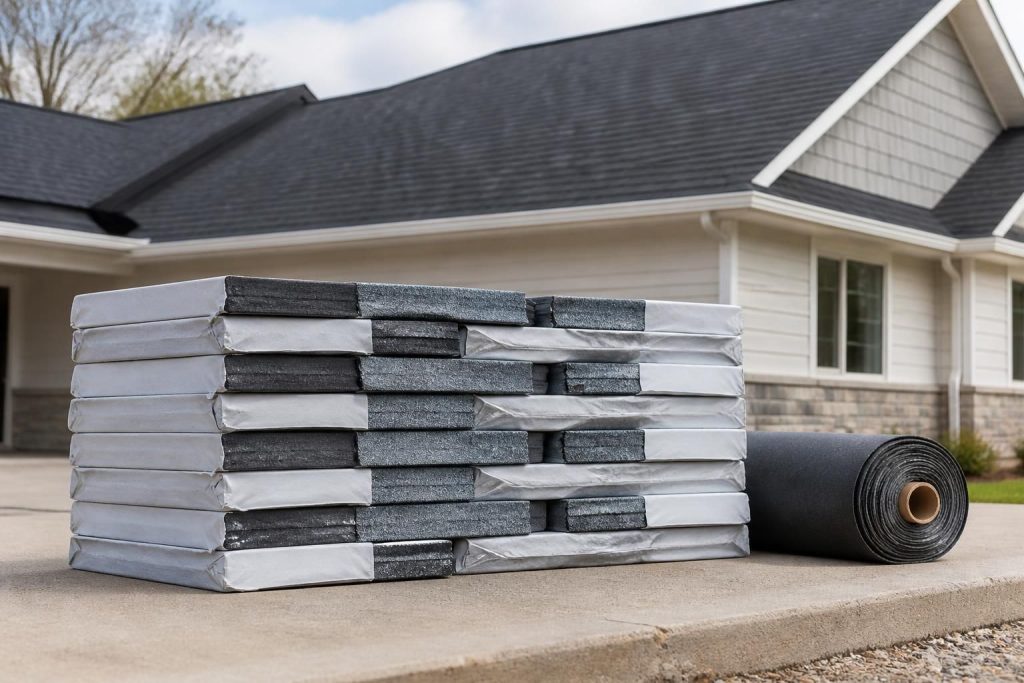
- Installing underlayment and water barriers over the deck
- Replacing or re-setting flashing around chimneys, walls, skylights, and valleys
- Fitting new vents and pipe boots where the roof is penetrated
- Installing the new roof covering and ridge pieces
- Cleaning up debris and checking the yard and driveway for stray nails
Because rotted decking is often not visible until the old roof is off, a good quote explains how any extra decking work will be handled before it comes up.
Choosing your roof type
We install shingle, metal, and flat roofing, and the right one depends on your house and how long you plan to stay.
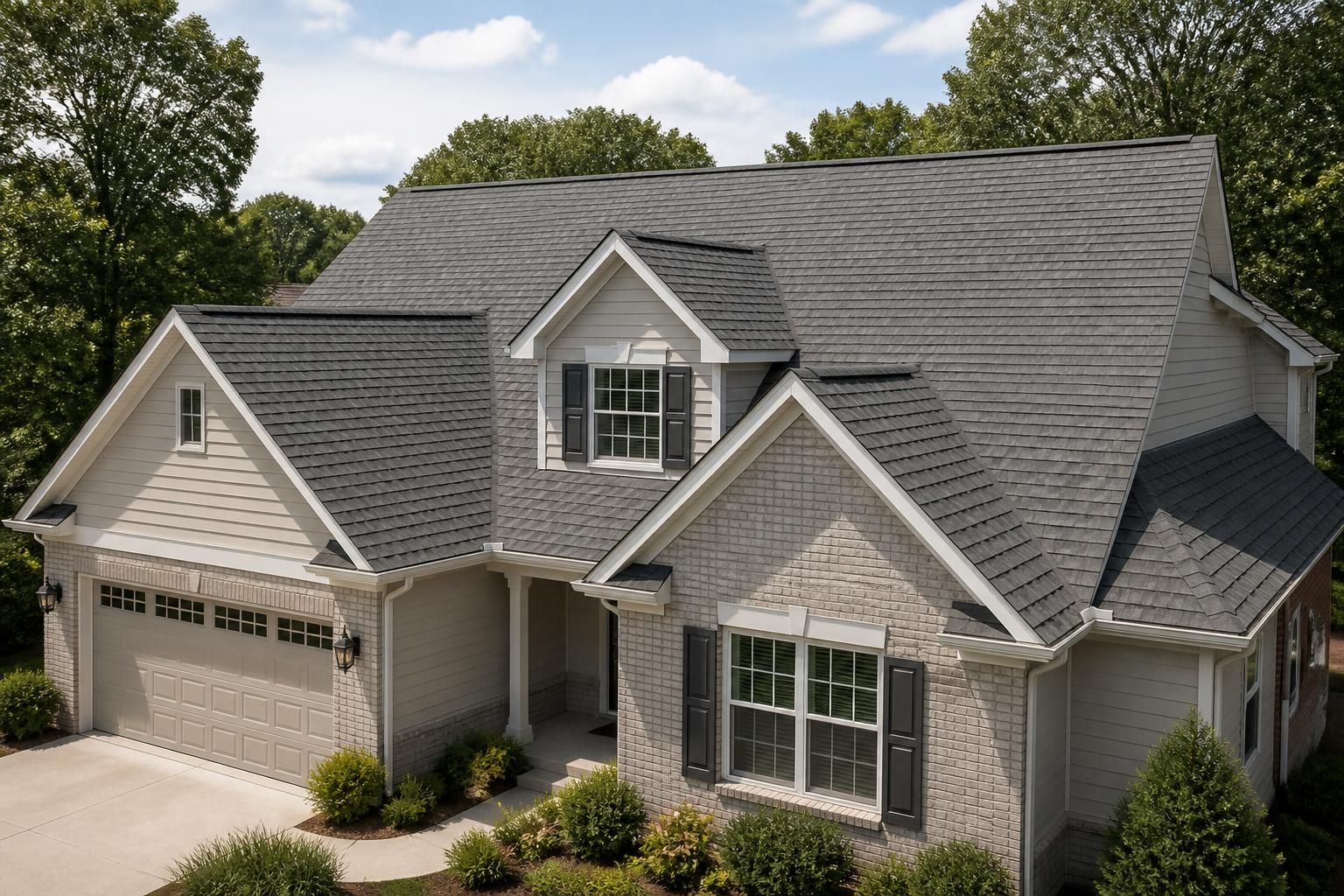
Shingle roofing is the most common choice on San Antonio homes. It is familiar to most crews, comes in many colors and grades, and suits pitched roofs. Impact-rated shingles are worth asking about if hail is a concern for you.
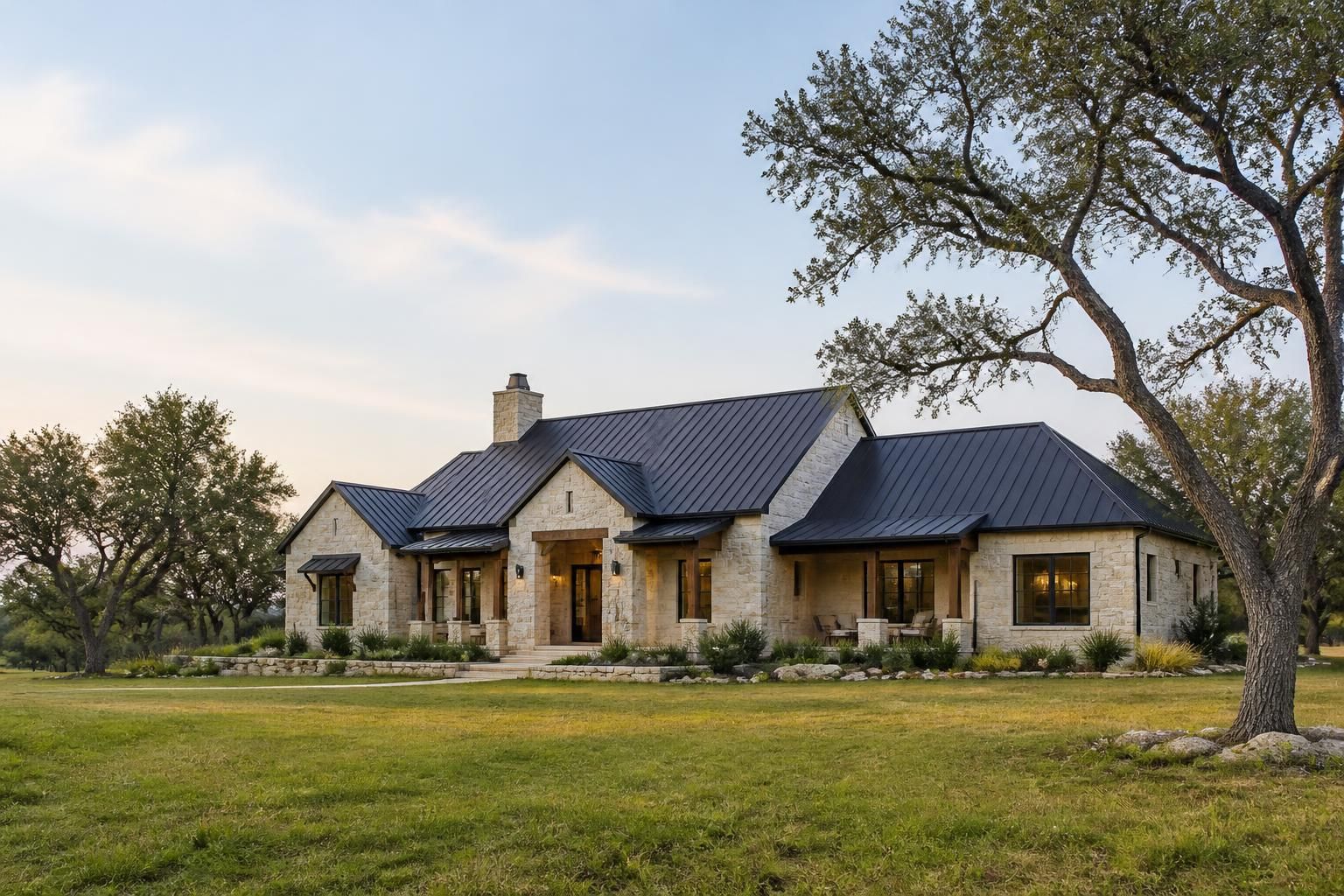
Metal roofing costs more up front in most cases, but it sheds heat and rain well and tends to last longer. It is worth a look if you want a longer-lasting roof and plan to stay put.
Flat roofing applies to low-slope sections such as additions, porches, or modern-style homes. These areas need a different membrane system and careful attention to drainage, since standing water is the usual enemy.
How a replacement goes
Every job differs, but most follow the same general order:
- Inspection and measurements. The roof is looked over, measured, and discussed with you, including material choices and any visible problem areas.
- Written quote. You get the scope in writing so you can compare it against other bids.
- Scheduling and prep. Weather matters here. Rain and extreme heat can push a start date, and materials need to be ordered ahead.
- Tear-off and deck check. The old roofing comes off and the deck is inspected before anything new goes down.
- Installation. Underlayment, flashing, vents, and the new roof surface are installed in sequence.
- Cleanup and walkthrough. Debris is hauled off, the property is checked, and you can ask questions about the finished work.
Many residential roof replacements take a few days from start to finish, though size, roof shape, and weather can change that.
What good work looks like
You do not need to be a roofer to judge a replacement. Use these standards with any provider:
- The old roof comes fully off. Be cautious about layering new material over worn roofing unless the reasons are explained clearly.
- The deck is inspected and damaged sections are addressed before new materials go down.
- Flashing is replaced or carefully re-done at chimneys, walls, and valleys, since these are common leak points.
- Roof stays protected during the job. Open sections should be covered if rain is possible.
- Cleanup is thorough. Expect a magnet sweep or similar check for nails around the yard and driveway.
What affects cost
Roof replacement pricing is driven by the specifics of your house, not a flat rate. The main factors are:
- Roof size and how many slopes, valleys, and angles it has
- Pitch and how hard the roof is to access safely
- Material choice: shingle, metal, or flat roofing system
- Number of layers to remove and tear-off disposal
- Amount of decking that needs replacing
- Flashing, vents, skylights, and chimney details
- Related work such as gutter installation if you want it done at the same time
A clear written quote should spell out the scope, the materials by name, what is and is not included, how hidden decking damage will be priced if found, and how changes to the plan are approved before they affect the total. Vague quotes are the ones that lead to surprises.
Questions to ask first
Before you hire anyone for a roof replacement in the San Antonio area, ask:
- What permits or registrations apply to this work, and who handles them? Requirements can vary by city and project.
- Can you show proof of insurance? Ask for it directly, rather than assuming.
- What exactly is included in the quote? Tear-off, decking repairs, flashing, vents, cleanup, and disposal should all be addressed.
- How will you handle rotted decking or other surprises? Get the process in writing.
- What is the schedule, and what happens if weather interrupts?
- Who will be my point of contact, and how will you keep me updated?
Common questions
How do I know if I need a new roof or just a repair?
Look at how widespread the damage is and how old the roof is. A few damaged shingles on a roof in good shape can usually be repaired. Widespread wear, repeated leaks, or damaged decking point toward replacement. An inspection gives you a clearer answer.
When is the best time of year for roof replacement in San Antonio?
Roofs can be replaced in most seasons here. Mild weather in fall and early spring is comfortable for crews, but spring storm season can make scheduling busier. Extreme summer heat and rainy stretches can shift a start date, so flexibility helps.
How long does a roof replacement usually take?
Many homes take a few days, but the size of the roof, its shape, the material, and weather all play a part. Metal and flat roofing systems may follow a different timeline than shingles. Ask for an estimate when you receive your quote.
How is the price of a replacement worked out?
It comes down to roof size, pitch, material, tear-off layers, decking condition, flashing and vent details, and any add-ons. Your written quote should break these down so you can see what you are paying for.
Does storm damage mean I need a full replacement?
Not always. Hail or wind may only affect part of a roof. If the damage is limited, storm damage repair may be enough. If it is spread across slopes or has compromised the underlying materials, replacement may be the better route.
Do I need to be home during the work?
Usually not for most of it, though you should be reachable for questions or decisions. Plan for noise, and move vehicles and patio items away from the work area beforehand.
We serve homeowners across San Antonio, Alamo Heights, Terrell Hills, Olmos Park, Shavano Park, Castle Hills, Universal City, Live Oak, and Converse. If your roof is showing its age or the last storm left it worse for wear, call or send a request and we will start with an inspection.