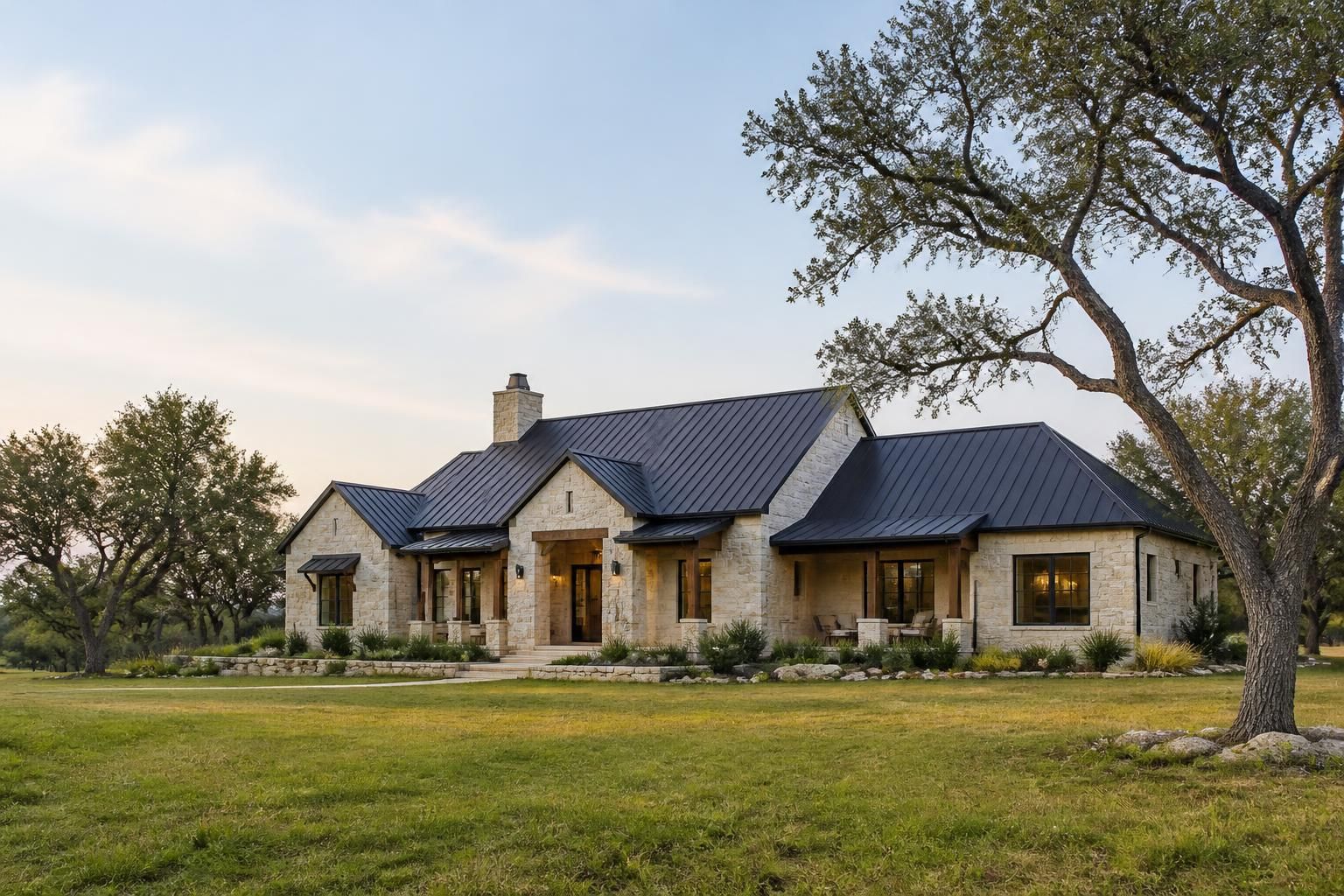
Hargrove Roofing handles metal roofing for homeowners in San Antonio, Texas who are replacing a worn-out roof or planning a new one and want something built for long summers, hail, and sudden downpours. To get started, call or send a request and we will talk through your roof, your goals, and the metal options that fit your home.
Maybe your shingles are curling and shedding granules after years of sun. Maybe a hailstorm left you wondering how much more punishment the roof can take, or your upstairs rooms stay hot no matter how hard the air conditioner runs. Those are the usual reasons people start looking at metal, and a good first step is a clear conversation about whether it suits your house.
What this page covers
This page is about installing a metal roof: new panels, trim, flashing, and the details that tie them into your home. That includes a full roof replacement where metal goes on in place of shingles, and it includes metal sections on a home where the design calls for them.
- Planning the roof layout and measuring slopes, valleys, and penetrations
- Removing old roofing where needed and checking the deck underneath
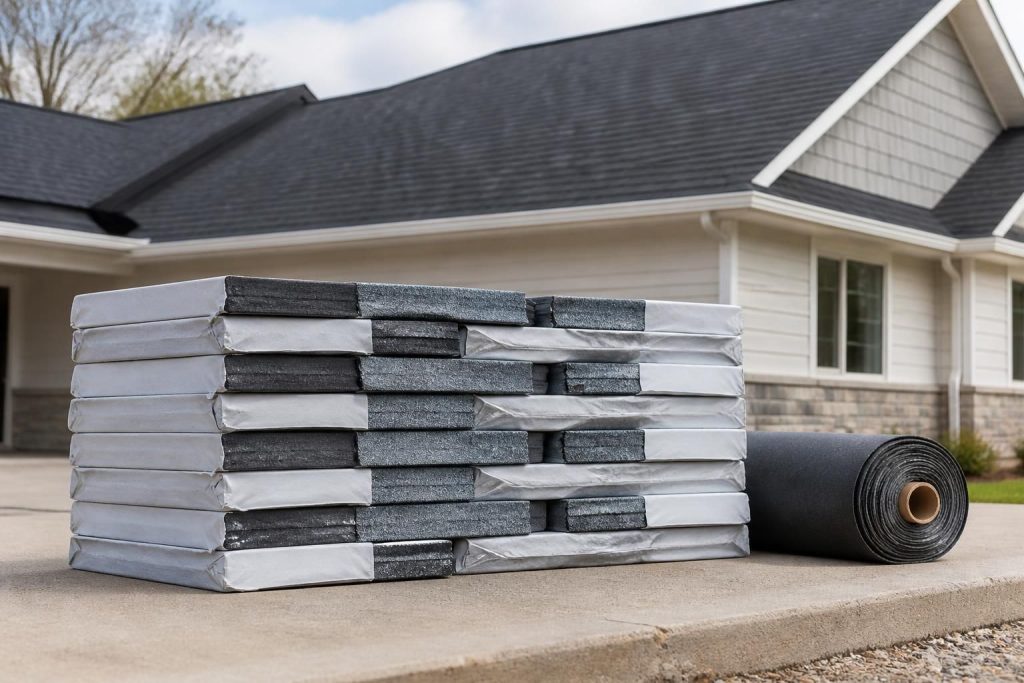
- Installing underlayment, metal panels, ridge and hip trim, and flashing
- Sealing around vents, chimneys, skylights, and wall transitions
- Final cleanup of the job site
Why San Antonio homeowners choose metal
San Antonio summers are long and hot, and spring storms can bring hail and driving rain. Most roofs here take a beating from heat cycles and the occasional hard storm, so homeowners often look for materials that shrug off both. Metal is known for shedding water quickly, resisting the kind of cracking that heat causes in some materials, and lasting a long time when installed with care.
Heat and energy use
Many metal roofing finishes are designed to reflect more sunlight than dark asphalt shingles. Results depend on color, ventilation, and insulation in your attic, so treat any promise of specific savings with caution and ask how your roof's ventilation will be handled.
Hail and wind
Metal panels generally handle impact differently than shingles. Heavy hail can still dent some panels, so ask about panel thickness and style, and how your insurance carrier views metal roofs.
Repair, replace, or go metal
Homeowners often mix up a repair with a replacement, and both with a switch in materials. They are different jobs.
- Repair: A fix for a leak, a lifted section, or damaged flashing. If the roof is otherwise sound, this is usually the lower-cost path. Our Roof Repair and Leak Repair services cover that work.
- Replacement with shingles: Tearing off the old roof and installing new asphalt shingles. That is handled under Roof Replacement and Shingle Roofing.
- Replacement with metal: The same tear-off and deck check, but with a metal panel system. That is what this page covers.
If you are unsure which one you need, ask for a Roof Inspection first. Seeing the actual condition of the roof makes the decision much easier.
How the job goes
Every roof is different, but a metal roofing project in general follows a familiar order.
Planning and materials
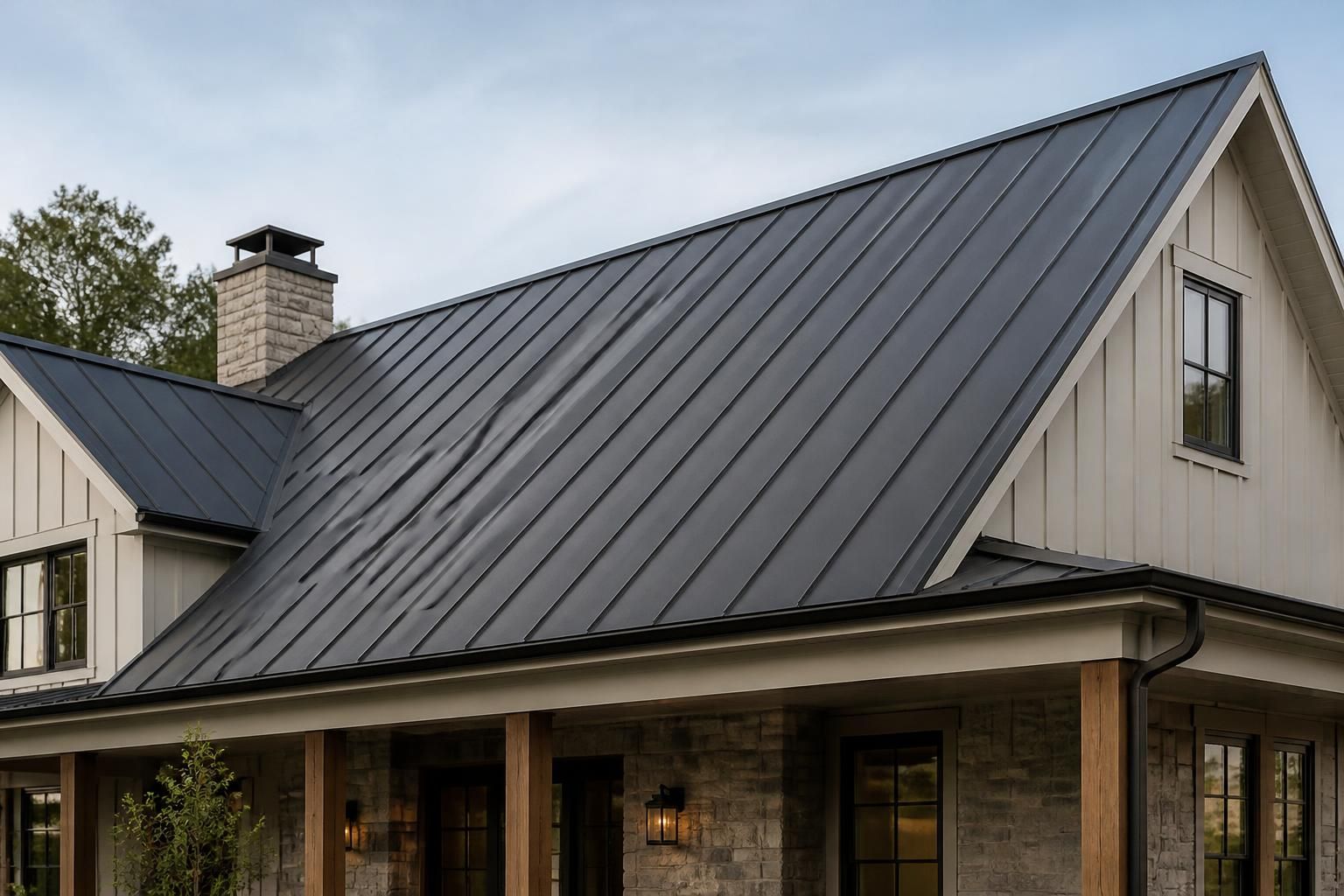
It starts with a look at the roof and a conversation about style, color, and budget. Panel type matters, since some systems hide the fasteners and others leave them exposed. Your roof pitch, home style, and what you want to spend all affect which one makes sense. Materials are then ordered to match the measurements.
Installation and cleanup
Old roofing is typically removed and the deck is checked for soft or damaged spots. Underlayment goes down, then panels, trim, and flashing. Penetrations and edges get the most attention because that is where leaks usually begin. When the roof is finished, the site should be cleared of nails, scraps, and packaging.
Signs of quality work
Whoever you hire, here are practical standards you can use to judge the work.
- Straight, even panels. Lines should run true along the slope, with consistent overlaps and clean alignment at ridges and edges.
- Careful flashing. Chimneys, vents, valleys, and wall joints are where most leaks start, so details there should look deliberate and sealed.
- Allowance for movement. Metal expands and contracts with temperature, and fastening should account for that, especially in Texas heat.
- Deck repairs before covering. Rotted or soft decking should be fixed, not covered up.
- Clean finish. No leftover fasteners in the yard, no scratched panels, and no unexplained gaps.
What affects the cost
Metal roofing costs vary widely from house to house. The main factors are:
- Roof size, pitch, and how many valleys, hips, and dormers it has
- Panel style and metal type, and the finish or color you choose
- Whether old roofing must be removed, and how many layers there are
- Deck condition and any repairs needed once it is exposed
- Number of chimneys, vents, skylights, and other penetrations
- Gutters, trim, and other add-ons included in the project
A clear written quote should spell out the scope of work, the materials by name, what is and is not included, how deck repairs are priced if they turn up, and how changes are handled once work begins. If a number seems vague, ask for it in writing.
Questions to ask first
Before you sign with anyone for a metal roof in San Antonio, ask these:
- What licensing or permits apply? Ask what the city requires for roof work and who pulls any permit.
- Are you insured? Ask for proof of coverage so you know how damage or injuries on the job are handled.
- What exactly is included? Get tear-off, underlayment, flashing, trim, disposal, and cleanup spelled out.
- What is the schedule? Ask about start date, how long the work usually takes, and what happens if weather interrupts it.
- How will you keep me informed? Find out who your contact is and how changes or surprises get communicated.
Serving the San Antonio area
We work with homeowners across San Antonio and nearby communities including Alamo Heights, Terrell Hills, Olmos Park, Shavano Park, Castle Hills, Universal City, Live Oak, and Converse. Older homes may need deck work or special attention at transitions, while newer homes often have simpler layouts. Either way, a roof walk and a straightforward conversation are the best way to scope the job.
Common questions
How long does a metal roof last in San Antonio?
Metal roofs generally last longer than standard asphalt shingles, but the real figure depends on the metal, finish, installation quality, and exposure to sun and storms. Ask any installer what to expect for the specific system they recommend.
Is metal roofing louder in the rain?
It can be, depending on the panel type, the underlayment, and how much insulation sits in your attic. Many homeowners find the difference smaller than they expected, but it is worth asking about before you decide.
Can metal go over my existing shingles?
Sometimes, depending on local rules, the condition of the existing roof, and the system being installed. Many projects include a tear-off so the deck can be checked. An inspection will tell you which route makes sense.
How is the price worked out?
It comes from roof size and complexity, the metal and finish you pick, tear-off needs, deck condition, penetrations, and add-ons like trim or gutters. A written quote should break these down so you can compare it fairly.
When is the best time of year to install?
Metal roofing can usually be installed through most of the year in San Antonio, since winters are mild. Extreme heat, heavy rain, and storm season can affect scheduling, so plan ahead and stay flexible.
How do I get started?
Call or send a request through the website. We will talk about your roof, what is bothering you, and what you want from a new one, then set up a time to look at it and go over your options.