Hargrove Roofing handles shingle roofing in San Antonio, Texas, including full shingle replacement and new shingle installation for homeowners whose roofs are worn, damaged, or near the end of their life. If you are seeing missing shingles, granule loss, or leaks that keep coming back, call or send a request and we will look at the roof and talk through your options.
Most homeowners start thinking about this when something shows up: a brown stain on a ceiling, shingles in the yard after a storm, or a roofline that looks tired and uneven. Texas sun and hail are hard on asphalt shingles, and a roof that looked fine a few years ago can age quickly. The next step is a clear look at the roof's condition so you know whether you need a patch or a full new shingle system.
Signs your shingles are done
One bad shingle does not mean a new roof. A pattern across the roof usually does. These are the symptoms that most often lead to a shingle roofing project:
- Curling or cupping edges on shingles, especially on south and west slopes that take the most sun.
- Bald spots and granules in the gutters, where the protective surface is wearing off.
- Cracked or broken shingles after hail or high winds.
- Dark streaks or soft, spongy patches that suggest trapped moisture or damaged decking underneath.
- Repeated leaks around vents, chimneys, or valleys even after earlier repairs.
- Daylight in the attic or water stains on the underside of the roof deck.
If you only see one or two of these in a small area, a repair may be enough. If they are spread across several slopes, replacement is usually the more sensible path.
How a shingle job goes
Every roof is different, but a typical shingle roofing project follows a familiar order. Here is what you should expect to see and hear about.
- Roof assessment. The roof is checked for shingle condition, flashing, vents, and signs of soft decking so the scope is based on what is actually up there.
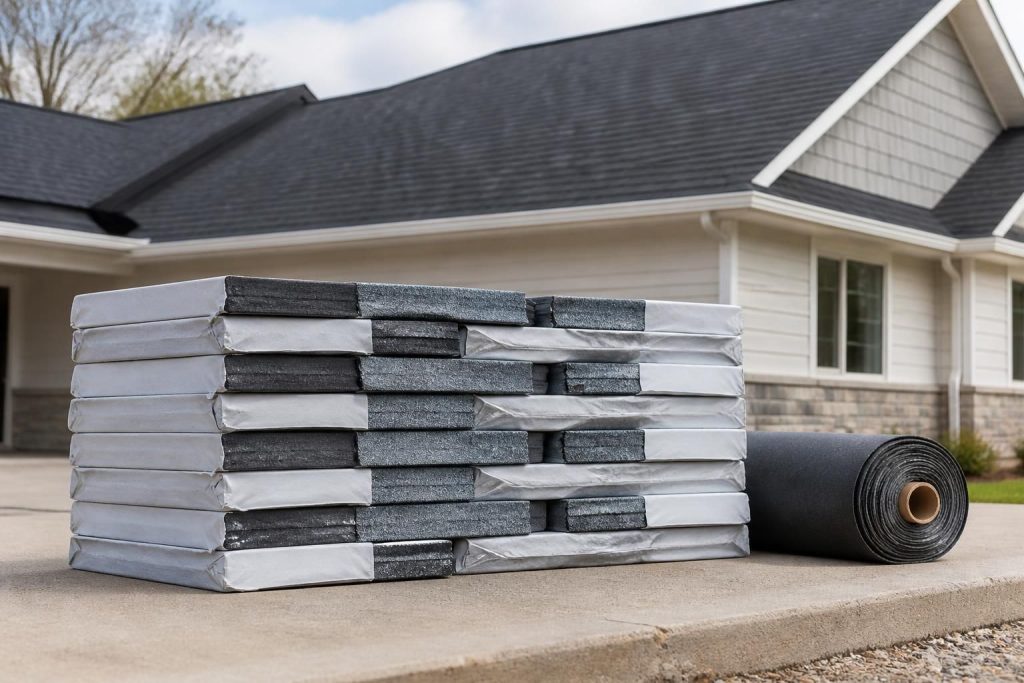
- Tear-off. Old shingles and underlayment are removed down to the deck. Some projects allow a new layer over an old one, but a full tear-off lets you see the wood underneath.
- Deck repair. Any rotted or damaged sheathing is replaced before anything new goes on.
- Underlayment and edge details. A water-resistant layer goes down, along with drip edge and protection in valleys and other leak-prone spots.
- Shingle installation. Shingles are fastened in courses from the eave up, with flashing set around chimneys, skylights, walls, and penetrations.
- Ridge caps and vents. The peaks are finished and ventilation is tied in so the attic can shed heat.
- Cleanup and walkthrough. Nails and debris are cleared from the yard and driveway, and the finished roof is reviewed with you.
Choosing your shingles
Shingle roofing is the most common roof type on homes around San Antonio, and there is more choice than most people expect. A few decisions shape both the look and the lifespan of the roof.
Three-tab versus architectural
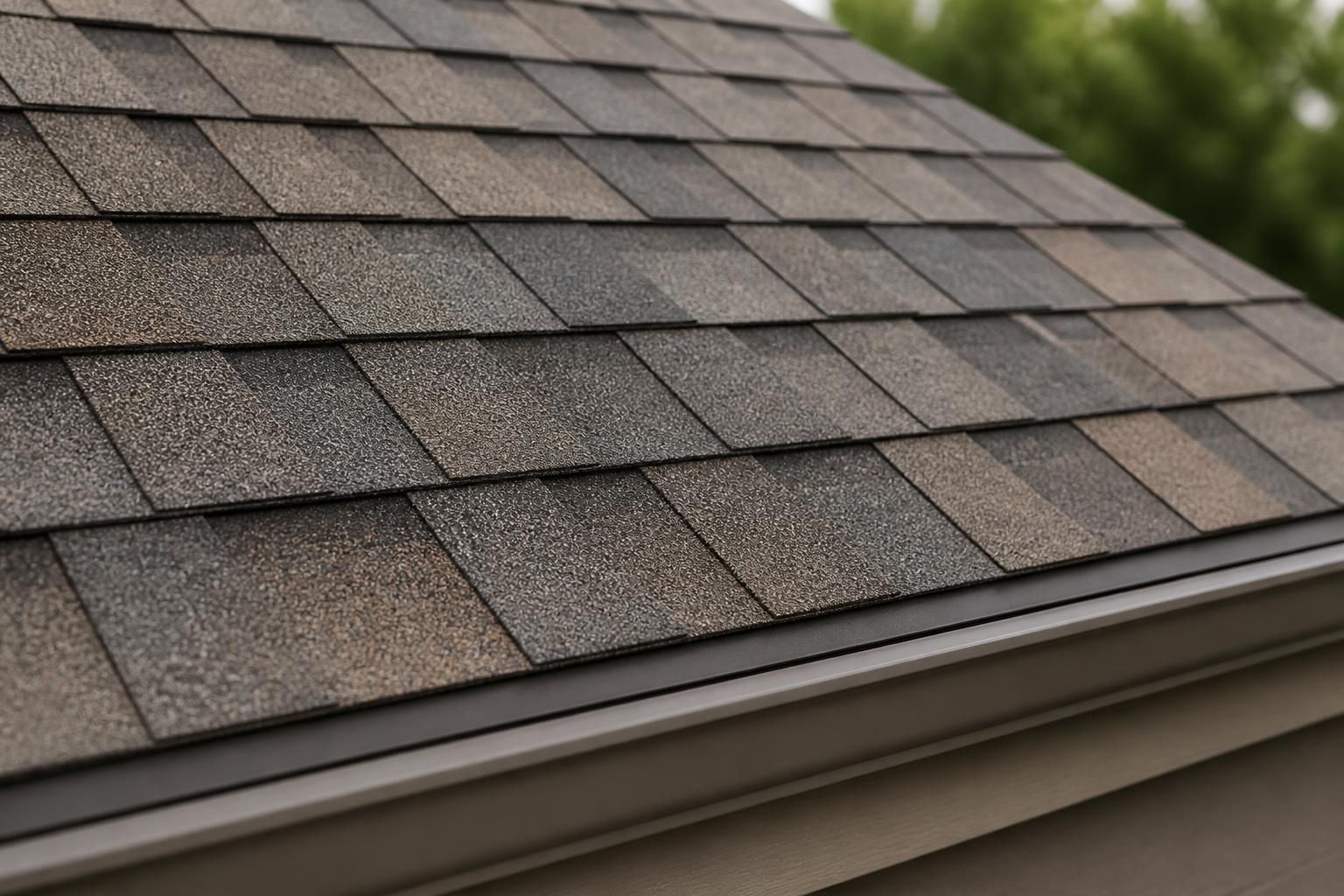
Three-tab shingles are flat, thinner, and usually the more budget-conscious choice. Architectural (also called dimensional or laminated) shingles are thicker with a layered look and generally handle wind and sun better. Many homeowners choose architectural shingles for the added depth and durability.
Color and heat
Color affects curb appeal and, to a degree, how much heat the roof absorbs. Lighter shades tend to run cooler in a long Texas summer, while darker shades hide streaking. Ask to see full-size samples in daylight, not just a small chip.
Some shingles are sold as impact resistant, which can matter in a hail-prone area. If that interests you, ask what the rating means and how it may affect your homeowner's policy.
Repair or full replacement
Homeowners often mix these two up, and the choice changes the scope and the cost. Roof repair fixes a specific problem, such as a few damaged shingles, a failed flashing, or a leak at one spot. Shingle roofing, which is what this page covers, means installing or replacing the shingle system across the roof.
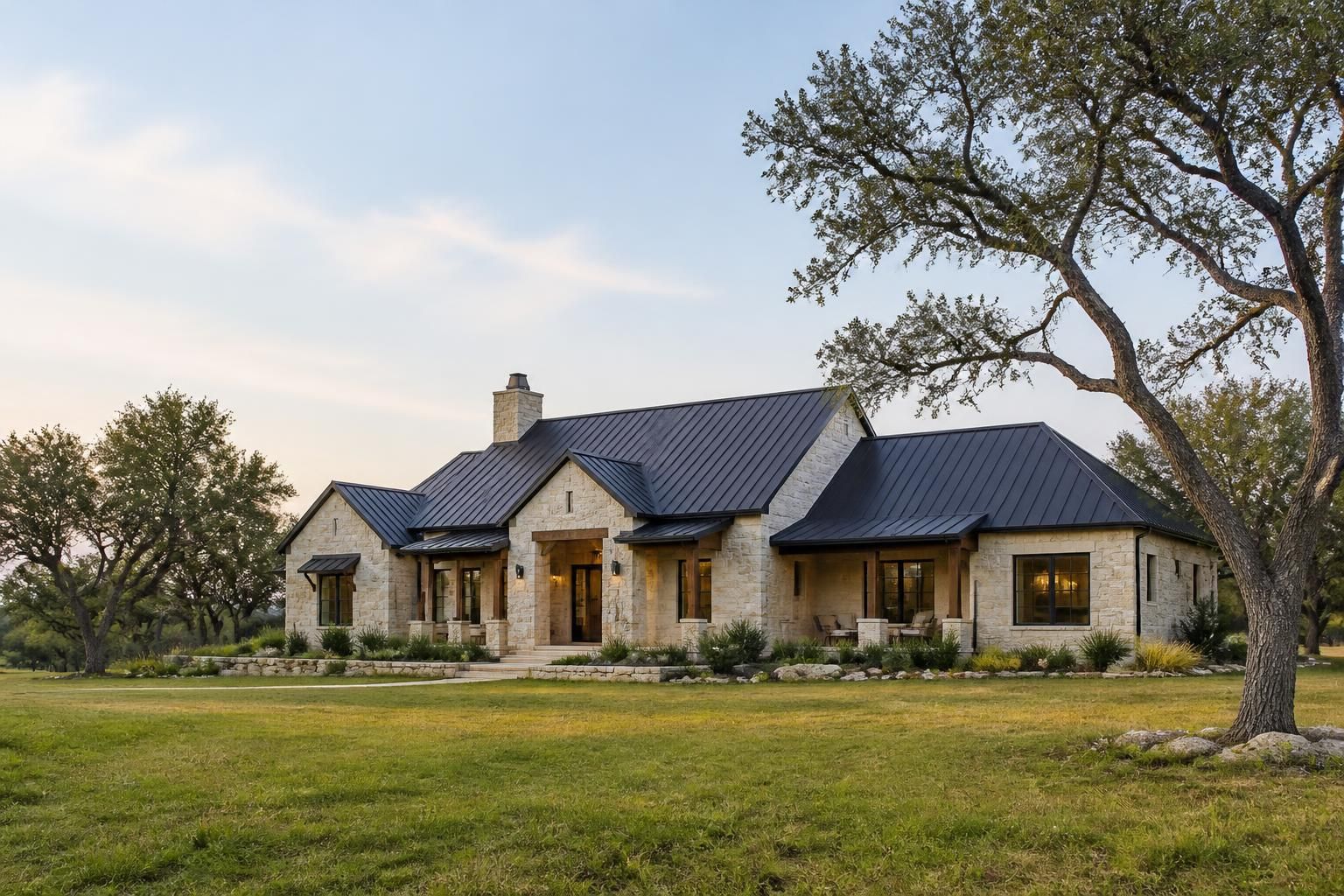
Repair makes sense when the rest of the roof is sound. Replacement makes sense when damage is widespread, shingles are brittle, or the same leaks keep returning. We also offer roof repair, leak repair, and roof inspection, so if you are unsure which side of the line you are on, start by asking for an assessment. Metal and flat roofing are separate services with their own approach, so ask us if you want to compare them.
San Antonio roof conditions
Roofs here work hard. Summers are long and hot, UV exposure is strong, and spring storms can bring hail and gusty wind. Over time, heat dries out asphalt and loosens the granules that protect it, and a single hailstorm can bruise shingles in ways that are hard to see from the ground.
Attic ventilation matters too. A hot, poorly vented attic can shorten the life of shingles from underneath. When we replace shingles for homeowners in San Antonio, Alamo Heights, Castle Hills, Universal City, Converse, and the other areas we serve, ventilation and flashing are part of the conversation, not an afterthought.
What good work looks like
You do not need to climb a ladder to judge a roofing job. These standards apply to any provider:
- Clean, straight courses. Shingle lines should run level, with consistent exposure from eave to ridge.
- Correct fastening. Nails should be driven flush, placed where the manufacturer specifies, and not overdriven or left high.
- Flashing that is replaced, not reused. Valleys, chimneys, and wall joints are where leaks start, so they deserve fresh, well-sealed details.
- Weather-aware scheduling. An open roof should not be left exposed ahead of rain, and the deck should be dried and covered as the job moves along.
- Thorough cleanup. Expect a magnetic sweep of the yard and driveway for stray nails, and old materials hauled away.
What affects the cost
Shingle roofing costs depend on the specifics of your house, which is why a fair quote comes after someone has looked at the roof. The main factors are:
- Roof size and how many separate slopes and sections it has
- Pitch and how hard the roof is to access
- Shingle type, brand line, and color
- Number of layers to tear off
- Amount of decking that needs replacement once the old roof is removed
- Flashing, vents, chimneys, skylights, and other penetrations
- Extras such as new gutters or ventilation upgrades
A clear written quote should spell out the scope of work, the exact shingle product, what is included in tear-off and cleanup, how deck repairs are priced if rot is found, and how changes are handled if the plan shifts mid-project. If a quote is one line with a single number, ask for more detail.
Questions to ask first
Before you hire anyone for a roof, ask these questions and expect direct answers:
- Do you hold any license or permit the work requires here? Ask what applies to the job and whether a city permit is needed for your address.
- Are you insured, and can I see proof? Request documents rather than taking a verbal answer.
- What exactly is included? Confirm tear-off, underlayment, flashing, ridge caps, vents, and debris removal.
- How will you handle rotted decking? You want the per-sheet pricing process explained before work starts.
- What does the schedule look like, and what happens in bad weather? Ask how rain delays are managed.
- How will we communicate during the job? Know who your contact is and how updates reach you.
Common questions
How long does a shingle roof replacement take?
Many single-family roofs can be completed in a few days, though it varies with size, pitch, and weather. Deck repairs or complicated rooflines can add time.
How often does a shingle roof need replacing in San Antonio?
It depends on shingle type, attic ventilation, and storm history. Intense sun and hail tend to shorten lifespan compared with milder climates, so periodic checks are worthwhile, especially after severe weather.
How is the price for a new shingle roof worked out?
Pricing follows roof size, pitch, layers to remove, shingle choice, flashing and vent work, and any decking that needs replacing. A written quote should list each of these so you can compare it fairly with others.
Can new shingles go over the old ones?
Sometimes, depending on local rules and the condition of the existing roof. A full tear-off usually gives a better result because the deck can be inspected and repaired.
When is the best time of year to replace shingles?
Roofs can be replaced through much of the year here. Mild weather is more comfortable for crews, but spring storm season can make scheduling busy, so it helps to plan ahead when you can.
Should I get an inspection before deciding?
Yes, it is a smart first step. An inspection shows whether you need a repair, a leak fix, or a full shingle roof, so you are not paying for more or less than the roof requires. Call or send a request to get started.