Hargrove Roofing provides roof inspections for San Antonio, Texas homeowners who want to know what shape their roof is really in, whether that means a new stain on the ceiling, shingles scattered after a storm, or a house they are about to buy or sell. We look over the shingles, flashing, vents, and drainage, then explain what we found and what, if anything, should happen next. To get started, call or send a request and tell us what prompted the visit.
Most roof trouble starts quietly. A brown ring on a bedroom ceiling, a few granules in the gutter, a shingle in the yard after a windy night, or an attic that feels hotter than it should. You cannot see most of this from the driveway, and guessing wrong costs money either way: you replace a roof that had years left, or you ignore a small leak until the decking is soaked. An inspection gives you facts before you decide.
Signs you need one
You do not need a leak to justify a look at the roof. These are the situations that most often lead San Antonio homeowners to schedule an inspection:
- Water stains, bubbling paint, or damp spots on ceilings and upper walls
- Missing, cracked, curled, or lifted shingles
- Dark streaks or bare patches where granules have worn away
- Daylight or moisture visible in the attic
- Hail or high winds passing through your neighborhood
- Rusted, loose, or separated flashing around chimneys and vents
- Sagging areas, ponding water on a flat section, or fasteners backing out of a metal panel
- A home purchase or sale where the roof's condition is unknown
- A roof old enough that you simply want a realistic idea of its remaining life
What gets checked
A thorough roof inspection works from the surface down to the places water usually enters. The roof covering is only part of it. Most leaks begin at transitions and openings, not in the middle of a shingle field.
- Roof surface. Shingles are checked for cracking, lifting, missing pieces, and granule loss. Metal panels are checked for loose fasteners, seams, and corrosion. Flat sections are checked for ponding, seams, and surface wear.
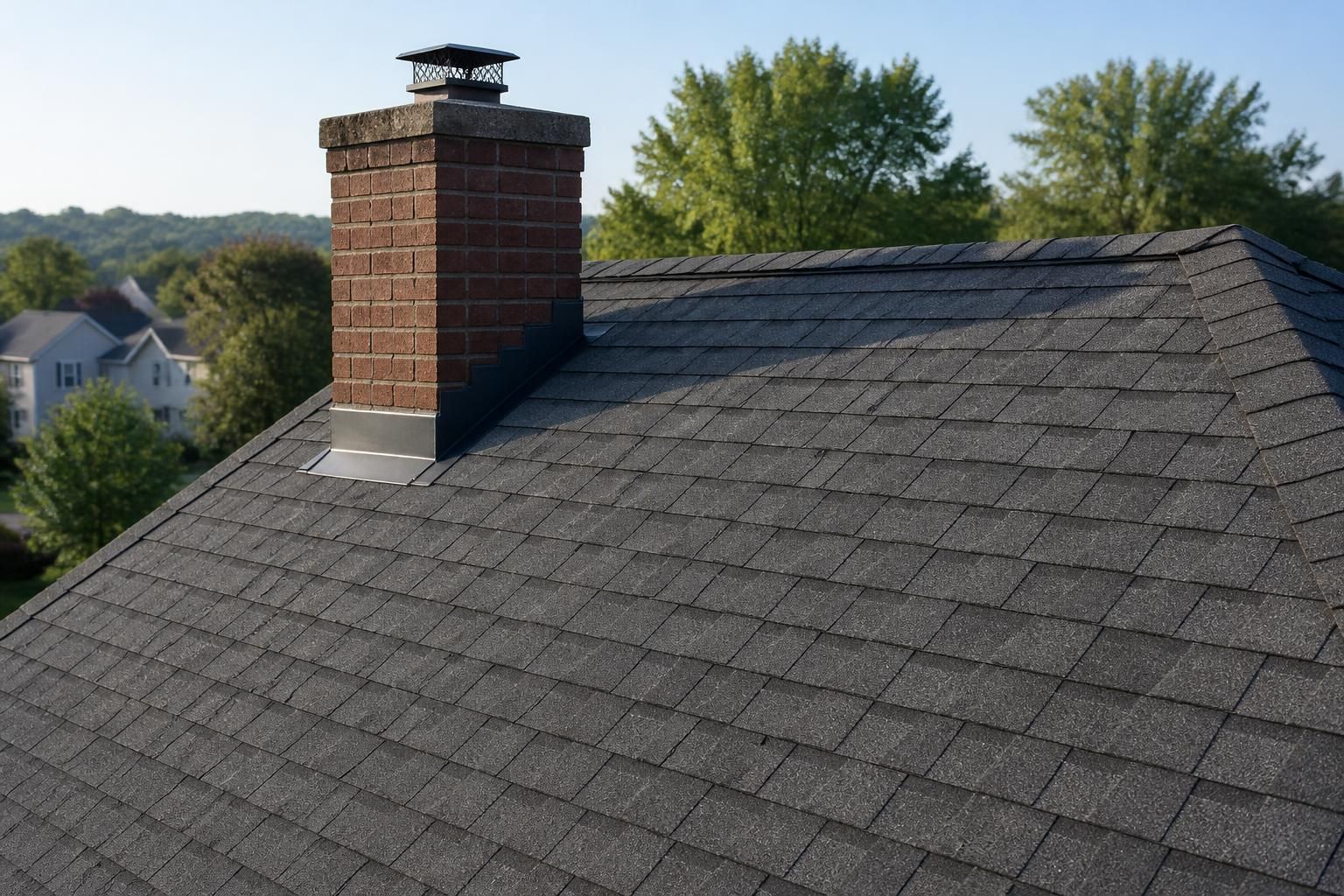
- Flashing and penetrations. Chimneys, skylights, plumbing vents, and wall intersections are common leak points because sealant ages and metal shifts.
- Valleys and edges. These channels carry the most water, so wear shows up here early.
- Gutters and drainage. Clogged or pulled-away gutters push water back toward the fascia and roof edge.
- Interior clues. Ceiling stains and attic conditions help trace where water is actually getting in.
Hail and wind marks
Spring storms in South Texas can bring hail and gusty wind. Hail damage is not always obvious from the ground. Bruised shingles, dented vents, and displaced tabs may show up only on a close look. If a storm just passed, an inspection documents what is there, which helps whether you end up needing a repair or a conversation about storm damage repair.
Heat and sun wear
Long, hot summers and strong sun tend to dry out roofing materials. Shingles can become brittle, sealants shrink, and flat roof surfaces can crack or blister. This kind of wear is gradual, so an inspection helps you tell normal aging from a problem that is speeding up.
Inspection or repair?
Homeowners often call asking for one when they need the other, so here is the difference. A roof inspection is the evaluation: finding out what condition the roof is in, where problems are, and how urgent they are. A roof repair or leak repair is the work of fixing a specific problem. A roof replacement is the full tear-off and new roof.
This page covers the inspection itself. If the inspection finds a lifted shingle or failed flashing, repair is a separate job we can quote after you see the findings. If the roof is near the end of its life, we can talk through replacement. An inspection does not commit you to either.
How visits work
Every roof is different, but a typical inspection follows a simple order.
- You describe what you have seen. Stains, noises, storm dates, and past repairs all help narrow where to look.
- The roof is walked or viewed. The inspector looks at the surface, edges, and every opening that water could find.
- The attic or interior is considered. When it is accessible, the underside of the roof tells you what the surface cannot.
- Findings are explained. You should hear what is wrong, what is only cosmetic, and what can wait.
- You choose the next step. That might be nothing, a small repair, monitoring, or planning for replacement.
Doing it well
Whoever you hire, here is how to judge the work:
- Look at the whole roof. An inspection that only checks the area near your stain will miss the cause if the water travels.
- Look at details, not just shingles. Flashing, vents, and valleys should be part of the conversation.
- Findings should be specific. You should hear where a problem is and why it matters, not a vague claim that the roof is bad.
- Repair and replacement advice should match the evidence. A small problem should not be sold as a full replacement.
- The roof should be left as found. No loose debris, disturbed shingles, or unexplained damage afterward.
What affects cost
The price of an inspection depends on the roof and the situation. The main factors are:
- Roof size, pitch, and how many levels or sections it has
- Roof type, such as shingle, metal, or flat
- How easy it is to reach the roof and attic safely
- Whether you need a general condition check or a look at a specific leak or storm event
- Any extra detail you want written down, such as findings for a sale or an insurance conversation
A clear written quote should spell out what the inspection covers, what you will receive afterward, whether any extras are billed separately, and how changes are handled if the scope grows once the roof is examined.
Questions to ask first
Before hiring anyone for a roof inspection in the San Antonio area, ask:
- Is any local permit or state requirement relevant to the work, and can you explain it?
- Do you carry insurance that covers people working on my roof?
- Exactly what does the inspection include, and will I get findings in writing?
- When can you come out, and how long will the visit take?
- How will you contact me with results, and who do I call with follow-up questions?
- If repairs are needed, will you quote them separately so I can decide without pressure?
Areas we serve
We handle roof inspections across San Antonio and nearby communities, including Alamo Heights, Terrell Hills, Olmos Park, Shavano Park, Castle Hills, Universal City, Live Oak, and Converse. Older homes and newer builds age differently, so we look at what your particular roof is made of and how it has held up. Call or send a request to talk through your roof with Hargrove Roofing.
Common questions
How often should a San Antonio roof be inspected?
Many homeowners check every few years, and again after a hailstorm or strong wind. Older roofs, or roofs with a past leak, are worth looking at more often because wear tends to speed up with age and heat.
When is the best time to schedule an inspection?
Any time you notice a stain, missing shingles, or storm activity is a good time. Many people also schedule before the spring storm season or before summer heat, so small problems are found before conditions get harder on the roof.
How is the price of an inspection worked out?
It depends on roof size, pitch, material, access, and how much detail you want in the findings. A quote should state what is included and how any additional work would be handled.
Do I need to be home for the inspection?
Not always for the roof surface, but it helps to talk before and after so you can point out stains or concerns. If the attic needs to be checked, someone will need to provide access.
Can an inspection find the cause of a ceiling stain?
Often, yes. Water can travel along decking and rafters before it shows up inside, so the stain may not sit under the opening. Checking flashing, vents, and the attic side usually points to the source.
Does an inspection mean I have to replace my roof?
No. Many inspections end with a small repair or simply a clean bill of health. Replacement only comes up when the condition of the roof calls for it, and you decide what to do with the findings.